After an injury, many people are left with the same questions: Can I actually make a claim? Was this just an accident, or should someone have prevented it?
In Victoria, personal injury claims are not limited to catastrophic accidents or obvious wrongdoing. Many arise from everyday situations where reasonable care was not taken — and the impact of those injuries can extend well beyond the initial incident.
If you are dealing with ongoing pain, time away from work, or disruption to your daily life, understanding whether you can make a personal injury claim is an important step. This article explains how to recognise when a claim may be possible, what factors are considered, and how early advice can help you make informed decisions as your recovery progresses.
What Is a Personal Injury Claim?
A personal injury claim may be available when you suffer harm because another person or organisation failed to take reasonable care for your safety.
In Victoria, personal injury law covers a wide range of situations, including injuries caused by:
-
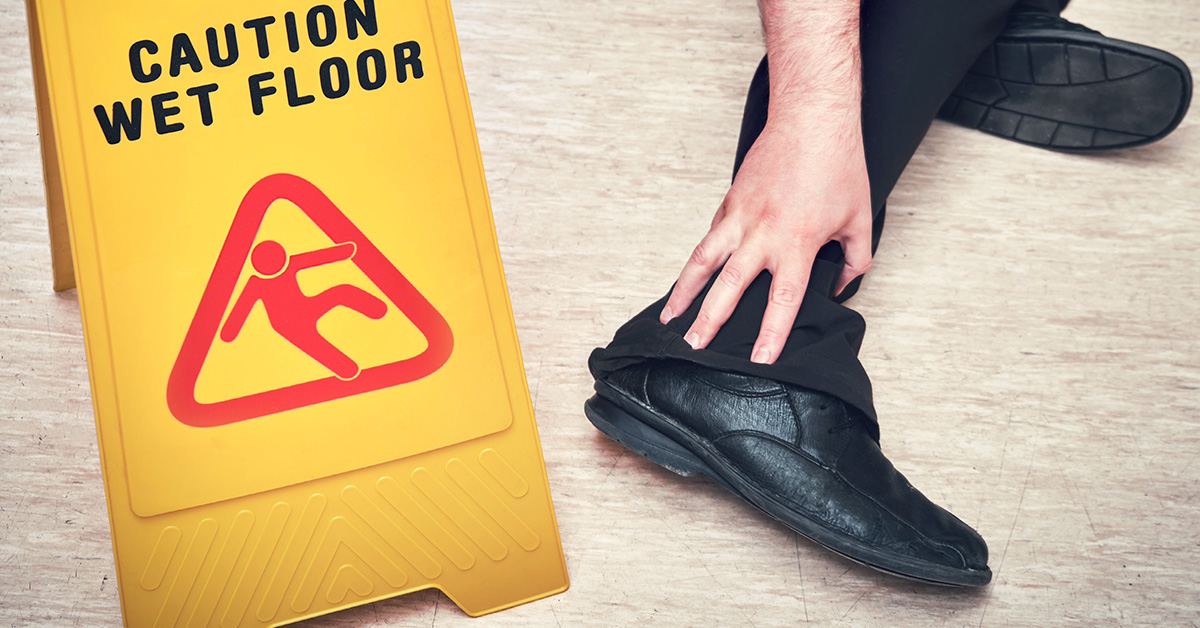
Unsafe environments
-
Negligent actions or omissions
-
Failures in systems, supervision or maintenance
These claims are not about blame for its own sake. They are about access to support, treatment and compensation where preventable harm has occurred.
Common Situations Where a Claim May Be Possible
You may be entitled to make a personal injury claim if you were injured:
-
In a public place, such as a supermarket, footpath or car park
-
On private property, including rental homes or commercial premises
-
In a road accident (through TAC and, in some circumstances, common law)
-
As a result of negligent medical treatment
Each situation is assessed differently under Victorian law. What matters is not just where the injury occurred, but whether reasonable steps were taken to prevent it.
How to Know If You Can Make a Claim
While every case turns on its own facts, personal injury claims generally depend on a few key considerations.
1. Was Someone Else Responsible for Your Safety?
A claim may exist where another party owed you a duty of care — for example, a property owner, employer, service provider or organisation responsible for maintaining a safe environment.
2. Was That Duty Breached?
This might involve:
-
Hazards that were not fixed or warned about
-
Poor maintenance or supervision
-
Unsafe procedures or systems
Importantly, you do not need to prove intentional wrongdoing. Many claims arise from oversights or failures to act.
3. Did the Injury Cause Ongoing Impact?
Personal injury claims consider more than the initial injury. They look at how the injury has affected:
-
Your ability to work
-
Your independence and daily activities
-
Your physical and mental wellbeing
If the injury has had lasting consequences, it is worth seeking advice.
What You Can Claim Compensation For
Depending on the type of claim and your circumstances, compensation may cover:
-
Medical and treatment expenses
-
Loss of income or reduced earning capacity
-
Pain and suffering
-
Care, support or assistance needs
The type and amount of compensation available varies. Understanding what applies to your situation early can help avoid missed entitlements later.
Why Timing Matters
Many people wait until their recovery is complete before seeking legal advice. However, getting advice early does not mean rushing into a claim.
Early guidance can help you:
-
Understand what evidence may be important as your recovery progresses
-
Meet notification or time limit requirements
-
Make informed decisions without pressure
It also allows your claim to develop alongside your recovery, rather than trying to reconstruct events months or years later.
Frequently Asked Questions
Do I need to know for sure that I have a claim before speaking to a lawyer?
No. Many people seek advice simply to understand whether a claim is possible. An initial consultation can help clarify your position without obligation.
What if I was partly at fault for the accident?
You may still be able to make a claim. Victorian law allows for shared responsibility, which may affect compensation but does not automatically prevent a claim.
Is there a time limit on personal injury claims in Victoria?
Yes. Time limits apply, but they vary depending on the type of claim and circumstances. This is another reason early advice is important.
Will making a claim be stressful?
A well-managed claim should be structured, transparent and paced appropriately. Having clear advice early can reduce uncertainty and avoid unnecessary stress.
Getting the Right Advice
Personal injury law in Victoria is complex, and each claim is shaped by its specific facts. Understanding your rights early can help you make confident, informed choices as your recovery continues.
At Ryan Carlisle Thomas Lawyers, we take the time to understand how an injury has affected your life and provide clear, practical advice about your options at every stage.